The Holy Spirit is at the core of the charism of the Pacem Missionaries, who are at the core of the architectural design inspiration of this project. Every architectural project needs a narrative or story at the heart of it, and we are grateful that the Holy Spirit is at the heart of this.
One of the first things we learned about the Holy Spirit in doing this project were the notions of the Fruits of the Holy Spirit, and the Gifts of the Holy Spirit. It was exciting to learn, and thus exciting to express in the architecture. The 9 fruits of the Holy Spirit—Love, Joy, Peace, Patience, Kindness, Generosity, Faithfulness, Gentleness, Self-Control—are etched in the 9 arched steps that frame the main entrance door. On the left, or the west side, the fruits are in English. On the right side of the main door, the fruits are in Filipino. We hope that everyone, especially children, as they enter the church, can learn what these fruits are.
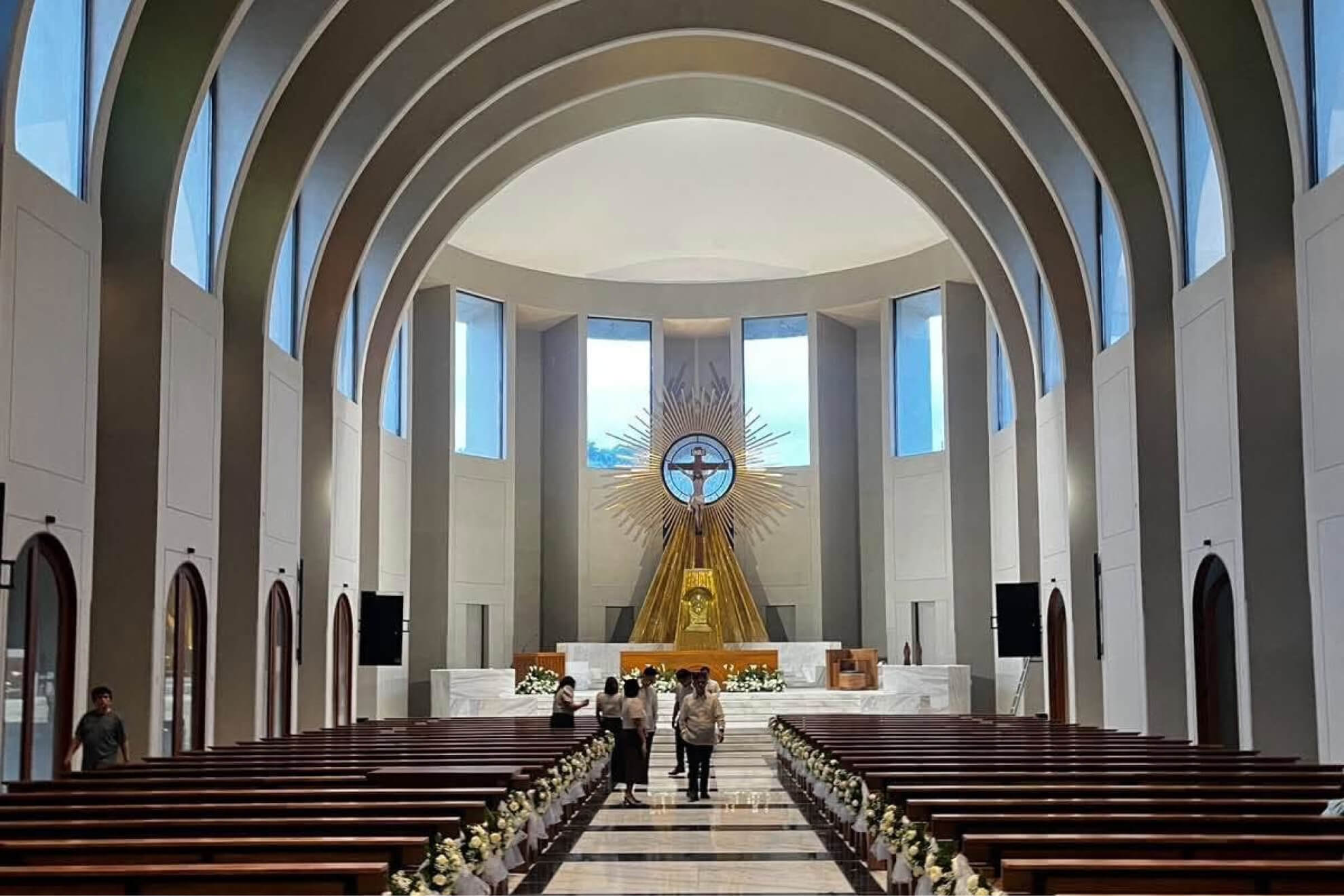
The 7 Gifts of the Holy Spirit - Wisdom, Understanding, Counsel, Fortitude, Knowledge, Piety, Fear of the Lord—are represented by the seven sets of arches that frame the main space of the church. More specifically, seven pairs of stained glass windows. On the left, or the west side, the gifts are inscribed in Hebrew text. On the right, or the east side, they are in the ancient Filipino script Baybayin.
The Holy Spirit has for nearly two thousand years been represented by the dove. We explore that representation beginning with the literal, the dove sculpture at the entrance to the Nexus Plaza, proceeding to the polychrome stained glass window of the dove above the main door, culminating with the monochrome abstraction of the Eucharist behind the cross at the retablo.
The retablo design as well as the dove may look somewhat familiar to those of you who have been to St. Peter's Basilica in Rome, because they are inspired by the Holy Spirit window by the great Italian artist Gian Lorenzo Bernini, and the moment in January 1, 1901, at the beginning of the 20th century, when Pope Leo XIII chanted the Veni Creator Spiritus, or Come Holy Spirit, in front of the Holy Spirit window.
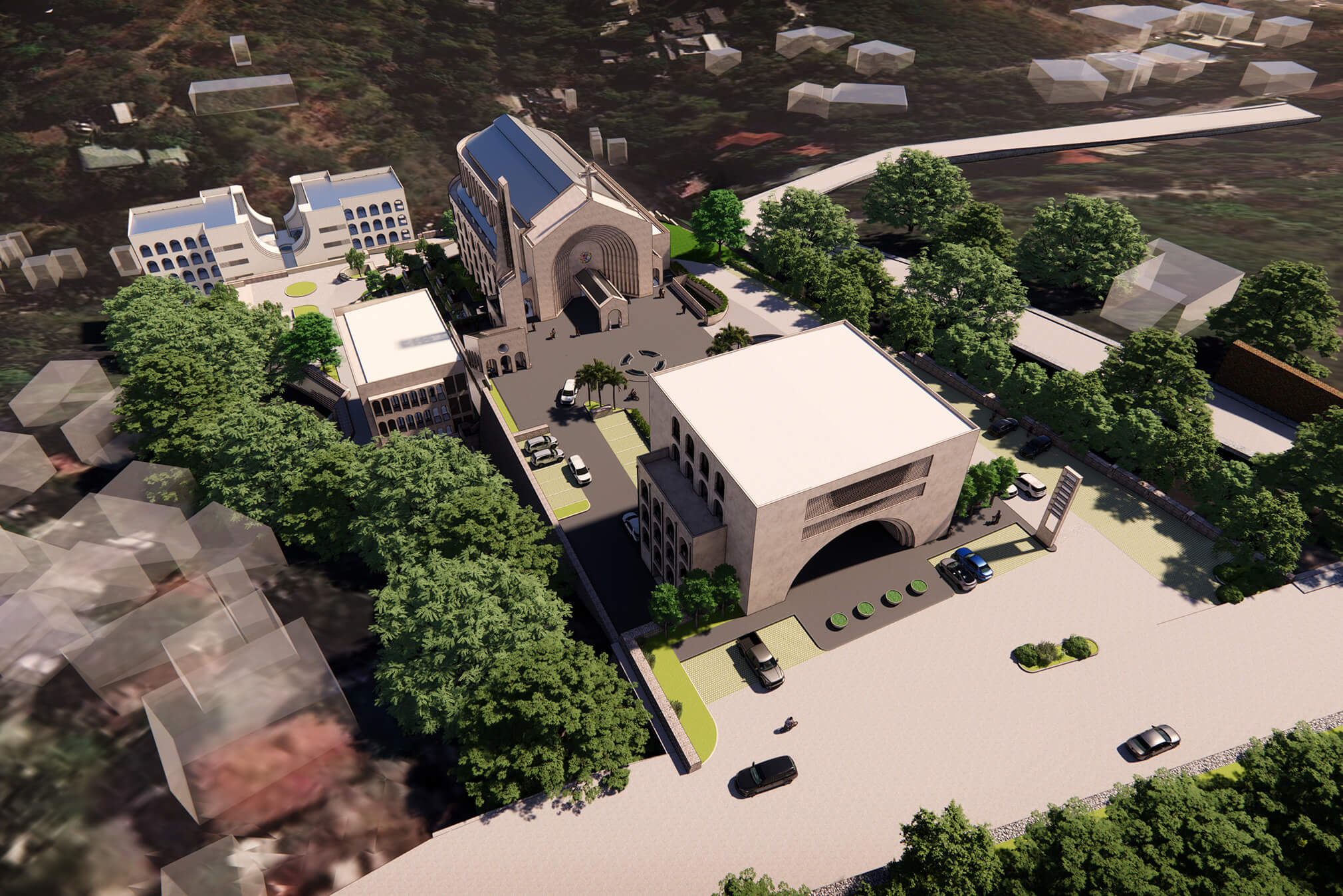
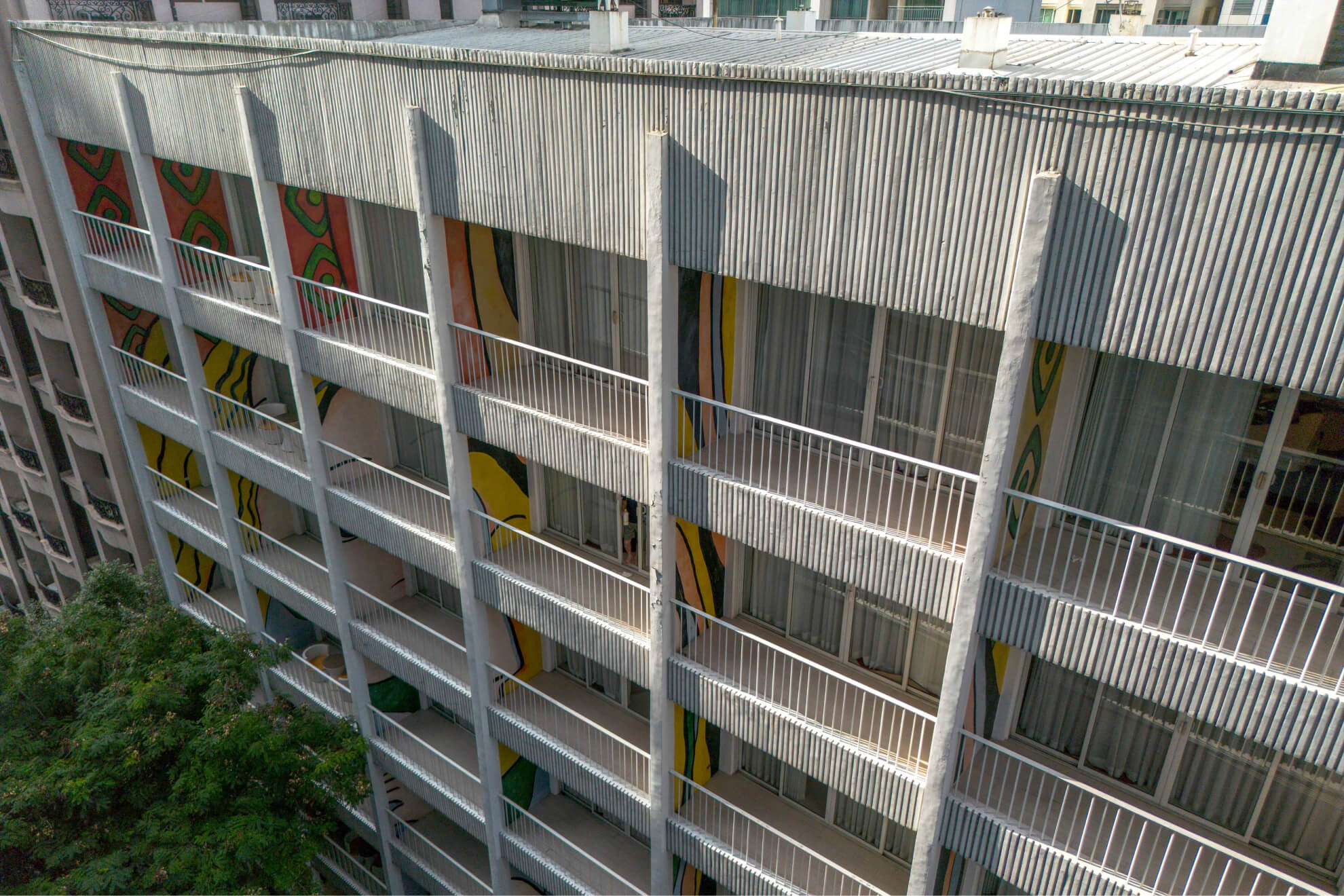
The Pacem Missionaries were founded by Fr. Leonardo Polinar in 1988 on Palm Sunday, the feast of Christ's entry into Jerusalem. This is why the semicircular arches of Roman-era Jerusalem inspire the semicircular arches that we see everywhere here, including the church and the columbarium below it. Christ's entry into Jerusalem inspires the grand arch on the ground floor of the Cabrera Arch Building, which begins the central axis that travels down the grand steps all the way through the central aisle of the church and culminates at the tabernacle and the retablo.
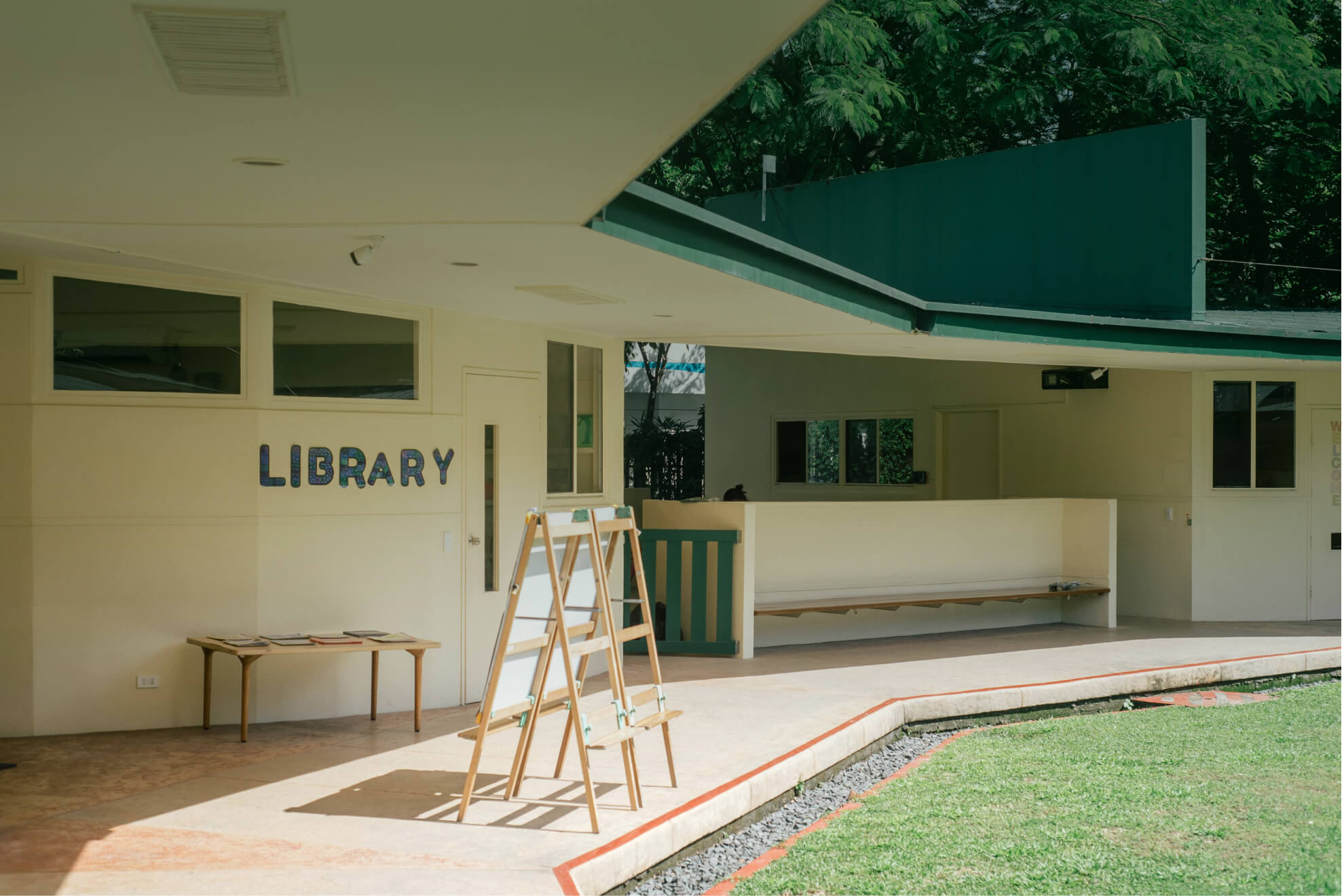
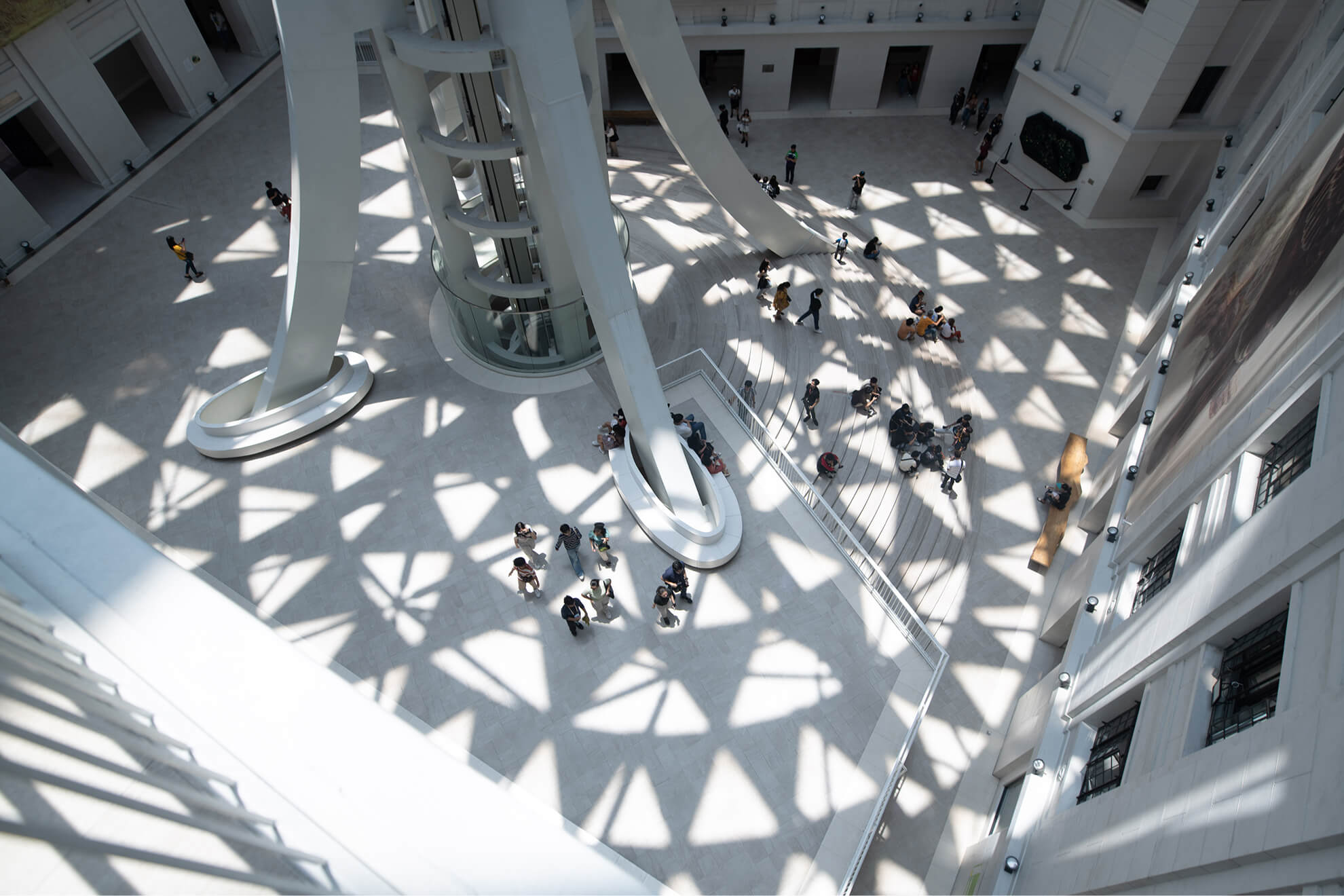
The architecture of churches and church complexes is a continuing exploration of the humane, or more specifically, the Christian imperative. In its simplest terms, Love thy neighbor. Whatever you do to the least, you do to me. This is why we put benches where we can, let daylight in where we can.
The arch of the Cabrera Arch Building celebrates the person who comes here on foot. To my mind, he is Christ entering Jerusalem. I would actually love to one day hear at Cabrera Arch the American composer Aaron Copland's Fanfare for the Common Man playing there, celebrating the person who arrives here on foot.
I would also love to hear in the church itself the Gregorian chant of Veni Creator Spiritus, Come Holy Spirit.